


Neuro Rehabilitation
(e.g Stroke)
Neurorehabilitation is a type of rehabilitation that focuses on helping individuals recover from injuries or illnesses that affect the brain, spinal cord, or nervous system. Here are some cases where someone may need neurorehabilitation:


Concussions
Mild to severe head injuries that can cause cognitive, emotional, and physical symptoms.

Stroke
Sudden loss of brain function due to lack of blood flow or bleeding in the brain.
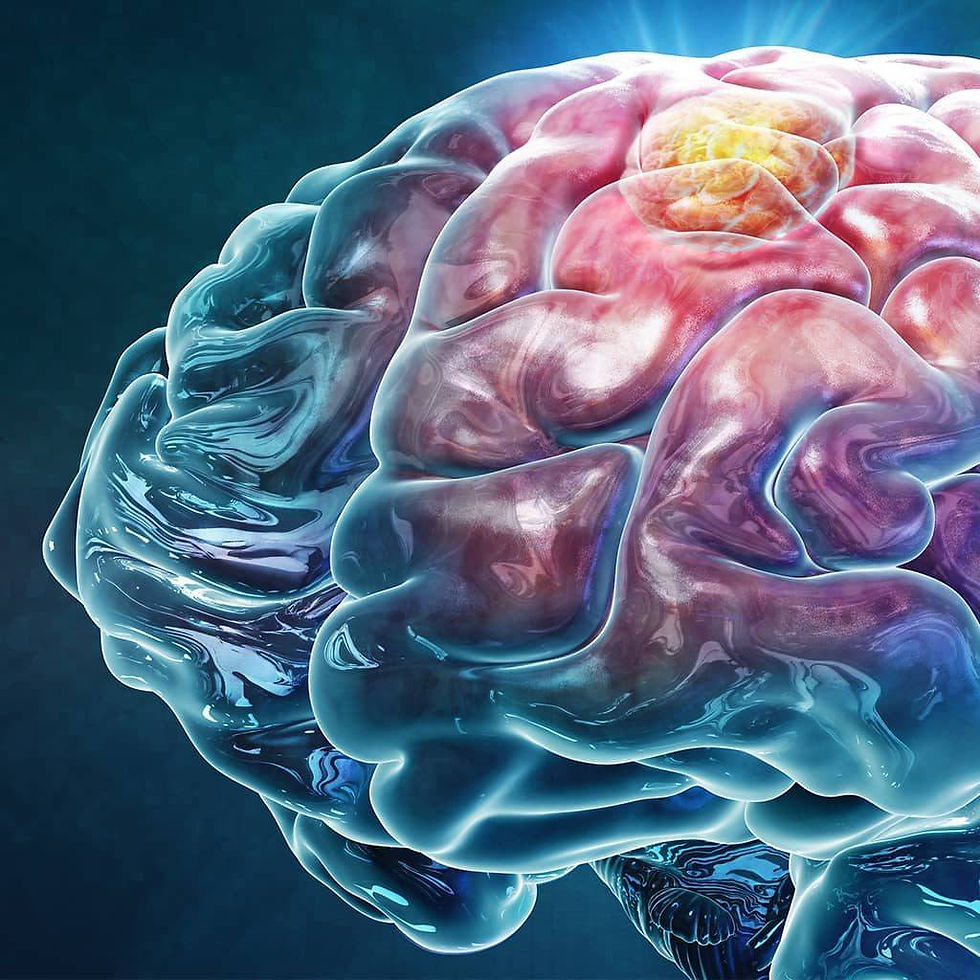
Brain tumors
Abnormal cell growth in the brain that can cause cognitive, motor, and sensory deficits.


Spinal cord injuries
Damage to the spinal cord that can cause paralysis, numbness, or weakness.

Multiple sclerosis
A chronic condition that affects the central nervous system, causing symptoms like numbness, weakness, and vision problems.

Parkinson's disease
A neurodegenerative disorder that affects movement, balance, and coordination.

Amyotrophic lateral sclerosis
A progressive neurological disease that affects nerve cells responsible for controlling voluntary muscle movement.


Cerebral Palsy
A group of disorders that affect movement, balance, and coordination, often caused by brain damage during fetal development or early childhood.

Autism Spectrum Disorder
A neurological disorder that affects communication, social interaction, and behavior.

Neurodegenerative Diseases
Conditions like Alzheimer's disease, Huntington's disease, and frontotemporal dementia.
Infections
Meningitis, encephalitis, or brain abscesses that can cause cognitive, motor, or sensory deficits.
Toxic/Metabolic Disorders
Conditions like Wernicke-Korsakoff syndrome or hepatic encephalopathy.
Neurorehabilitation can help individuals with these conditions regain cognitive, motor, and functional abilities, improving their overall quality of life.